
Making A Choice That Matches Your Preferences And Vehicle
Before applying either “Teflon” or “Ceramic hydrophobic” coatings to your vehicle, you need to clean it carefully and “compound it” using polishing tools that remove surface layers to hide streaks and swirls. Whether you’re driving a motorcycle, a sports car, a van, a truck, or a motorhome, you’ve got to prepare it for the coating the same way.
So before making a choice between these protective coatings, first get the materials and space necessary for their application. You’ll want to do the buffing in an indoor space if at all possible. Barring that, assure at least some sort of coverage is over the vehicle to keep precipitation from chemically affecting the final result.
It will take about a day, maybe two, for the process to be complete. You want to give teflon and nanoparticle ceramics time to properly conform to the surface of your vehicle before driving it, or exposing it to the elements. Speaking of elements, these represent the key difference between ceramic and Teflon coverings.
Examining Either Option Closely

Teflon is about .2 microns thick and has as its chemical basis a wax that is synthetically derived. The end result is essentially transparent, but get much thicker, and it becomes opaque. It turns out Teflon retains its chemical individuality. That is to say: it doesn’t bond with the materials of your vehicle.
Meanwhile, ceramic coatings using hydrophobic nanoparticles feature elements that actually chemically bond with the exterior of your vehicle, motorcycle or otherwise. Usually a silicon carbide substrate makes up ceramic coatings, different formulas may feature different chemical additives. For example, some are “hard”, some are “soft”.
It turns out ceramic coatings that are “hard” tend to scratch easier. Accordingly, if you go the ceramic route, you want to look into less dense, less hard coating options. However, they do tend to have a high level of durability. Most options will last you at least a year, some will last as long as five.
Meanwhile, with teflon, you can expect a properly-applied coat to stay effective for about eight months. However, teflon does tend to be a bit more “elastic”, as demonstrated by the ease with which it can become overheated. Coat your car or bike in Teflon, drive to Vegas, and don’t be surprised if a toxic or chemical smell permeates your vehicle under the hot sun.
Ceramic Coating Can Be Stronger In Heat

Ceramic coating isn’t going to be quite so negatively affected. True, anything hot enough will change chemical composition; but ceramic coats tend to be a little bit more resilient in this area. So the trade-off here is that ceramic is harder, but more resilient over the long-term. Meanwhile Teflon is softer, but less prone to scratches owing to its greater elasticity.
So at this point, you’ve got to figure out what is going to work best for your vehicle. If you drive a lot through questionable circumstances—off-roading or spending time in the rust belt where extreme humidity and insect populations challenge one another for dominance—then you might want to go with Teflon, because you’ll need to re-apply it anyway.
Though ceramic lasts one to five years, depending on the brand, it is harder, so if there are scratches, then the hardness makes brittle chemical compounds retain those scratches. Accordingly, bugs and humidity can become a problem, weakening your ceramic layer and forcing you to reapply within a year anyway.
That said, this is a specific circumstance. Generally, you can expect ceramic to outlast teflon. So then—what’s going to be the best choice for you and your vehicle? Well, at this point, we might want to look at a few other factors.
The Nitty-Gritty On Teflon And Ceramics, Including Price
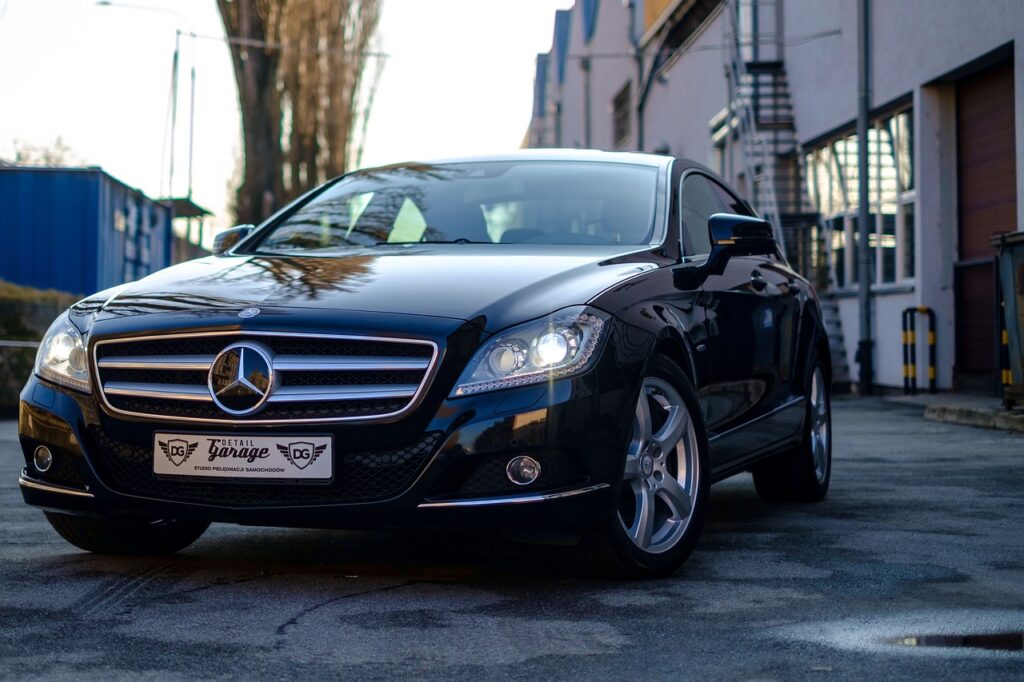
Teflon coatings have as their base synthetic wax, ceramic clear coats use a silicon base. The thickness of Teflon is actually less than ceramic at .2 microns. Meanwhile, ceramic coatings are at 2 microns. You’ll see five to eight months of positive effect from the teflon option, whereas the ceramic solution will keep going for one to five years. But what of price?
Well, you’ll find that Teflon is about 25% the cost of ceramics. Most ceramic nanoparticle hydrophobic clear coats are going to last about two years; only the cheap ones will last a year—some last up to five. The Teflon coat is at 5 to 8 months, meaning for the cost of ceramics, you get 32 months—max—of protection, and 20 months minimum.
Basic Ceramics outperform basic Teflon for your car or bike at the 2 year / 5 month level. The difference is, you’ll have to take a day or two off to apply a new coat of Teflon every five to six months, whereas with Ceramics, you’ll only need to do this one to five times in five years. Essentially, the two options are neck-and-neck unless you go with “cream of the crop” solutions.
Informing Your Selection

In order to make the best choice, you want to get a little consultation on your side. A great resource for things like protective coatings is this article on car coating from CARPRO. You can leverage top-tier industry advice pertaining to multiple coatings and vehicle types against the situation you’re presently considering.
Different vehicles, different geographical locations, different weather patterns, and different vehicle owners have different preferences. While there is less inconvenience in terms of the time spent applying coatings, and their effectiveness, as pertains to ceramic options, that doesn’t totally disqualify Teflon solutions.
Some vehicle owners actually enjoy the process of cleaning and buffing their vehicle, then applying a new coat of protective chemicals. Some people want to apply these protections once and forget about them. Some are forced to switch between either alternative depending on the situation where the majority of their driving occurs.
What you want to do is weigh the options available and make an informed choice from the best of them. There are advantages to either option, so do a little research, and find out what’s going to fit your particular situation best.


