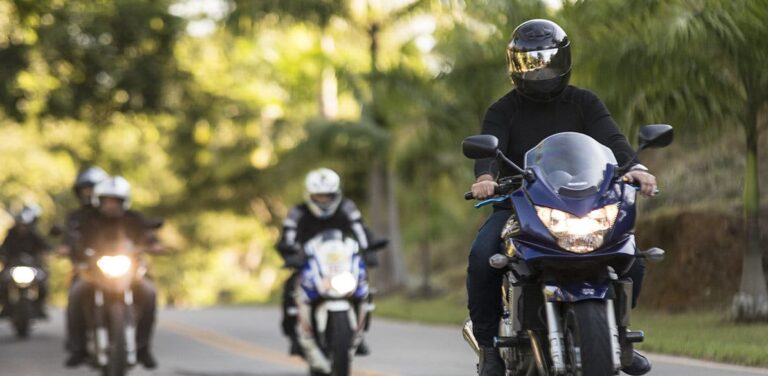
When to Replace the Dirt Bike Tires?

You probably pinch the pennies if you are like every red-blooded American you’re not working on the government; look at ways to save dimes and to extend your dollar as far as possible, not only your income. Some even take this concept of budgeting to the extreme.
Of course, making the most of your wage is good to practice and responsible, but it is occasionally harmful, especially for dirt bikes.

You know the common statement of a tire firm saying, “Because there’s so much going on your tires?” Of course, this is about cars, but the truth is that nobody should ever skimp when it comes to rubber around the wheels.

It can surely make a winning run or shatter tires in place of storing a fresh pair, but it might also break you. Controlling worn or damaged tires or a set without sufficient grip will drive you to dirt faster than long to assure its effectiveness.

That being said, it is generally easy to know when the time comes to change the tires on your dirt bike, but it isn’t convenient to use Lincoln’s head behind a coin. But sometimes, a set of tires looks ready to roll at first, but those suckers must be sent to the scrap heap after additional study.

Signs When to Replace Dirt Bike Tire

The following are the primary indications that let you know about the replacement of a dirt bike tire.

1. Check The Condition Of Lugs

Source: motocrossactionmag.com

Old-school riders will likely encounter jagged or rounded knobs as the first signs they need to replace the grips. If tires are exposed to poor storage or extreme temperatures, they can crack and become discolored.

Riding will change the knob on your tire, rounding it out until it’s no longer pointy or sharp. In other words, if you notice the tire knobs appearing to be rounded or worn, you have worn them out.

It is especially significant while inspecting the acceleration side, the front or middle area of knobs on the rear tire. As well as reducing your traction, rounded edges also tend to pinch off or fold over in turns, so the whole experience becomes unpleasant.

2. Degradation of Tires

The deterioration of a tire is due to a chemical reaction within the rubber components, and it happens over time. Heat and sunlight can speed up the aging process. Environmental circumstances such as sunshine and coastal climate exposure, improper storage, and inefficient use can increase aging.

You can see why people think old tires will be okay if they are treated right. Even aging symptoms may not be visible. Even an assessment by an expert may not always disclose the level of tire deterioration if there is no standard test to measure serviceability.
While tires have no hard and fast expiration dates, the rubber starts to crack and deteriorate with time. But it depends on the usage of the tire and its care.

3. Age

Source: motocrossactionmag.com

Tires wear out as they age because the rubber grows harder. Tires usually become uneven after a year of frequent use. Thus it’s recommended to swap them out. In a study by Alsdirtbikegear.com, expert says that you must change all dirt bike tires every five years, no matter how often you ride, because most of them are only good for that long.

4. Dry Rotting

However, it’s not hard to identify if your tires are rotting. Dry rot tends to make tires resemble broken leather or elephant skin. Depending on the degree of dry rot, fissures may be significant or hardly visible. Dry rot will advance to a more advanced state when the rubber turns brown.

Your tires will also show a change in texture when touched. If you notice dry rot in your tires, you will be able to feel it through a harsh, brittle texture. Those with significant dry rot will be affected in their driving ability.

The steering wheel of a car with dry rot in the front tire will shimmy at low speeds, and the automobile as a whole may shimmy if the rear tires have dry rot. When this happens, it’s better to avoid the tread coming unglued from the tire.

5. Tubes

Source: cyclist.co.uk

If you keep the tires filled with air for an extended period or subject them to bad weather, they’ll be more prone to suffer from flats. If a tire is put under too much heat, it expands, resulting in a decrease in the quality of the rubber. Hence you have to face an increase in the frequency of punctures.

6. Mousse

The tire foam isn’t indestructible. As all mechanical devices do, it gets old and finally fails to perform as expected. When using the proper tire gel, you can prolong the life of your tire mousse, but you’ll need to interchange it every six months to a year when it feels like a flat tire.

How Can You Increase The Longevity Of Tires?

If you avoid tire wear, several strategies reduce damage and the amount of pneumatics you replace.

Right Air Pressure

Source: motocrossactionmag.com

To ensure the longevity of your motorbike tires, make sure you keep them inflated at all times. Excess weight on the tires, along with low tire pressure, increases heat. Your tires will wear out and slide around more because of the heat. You put at risk the tire structure, and there are dangers to contend with on the road.

Suspensions

When working on the wheels, one must examine the wheels and look at the suspensions, vital to a tire’s correct operation. As long as we maintain the suspension system correctly, we can ensure that its operation will be carried out correctly.

The suspensions have various modifications so, preload and spring settings should be adjusted to changing conditions (weight, speed, surface type, etc.), which will benefit the tire life.

Alignment Check

Source: youngchoppers.com

Ensure all four wheels are aligned following the interval in the owner’s manual after any significant pothole impact and every time you replace tires. A misaligned tire will wear out faster.

Rotate Frequently

It is advisable to rotate your tires regularly, especially if you want to avoid uneven wear, with instructions in the owner’s manual or as outlined in the guarantee for new tires.

Conclusion

The first immediate symptom of tire wear is the deterioration of your bumps, generally known as balding. Your lugs will start to round off as you ride. The problem is that your tire doesn’t have a muscular wall to cut into dirt anymore.

The lack of this wall reduces the traction, making the riding area slick and reducing the dirt volume that can be transmitted to propel the bike through a soft course.

A certain number of balding is fine, but it could be time for a new set of rubber if your bugs start to seem more like circles than quadrangles! There is a professional tip that can also aid in increasing the longevity of a balding tire in this article.

8 Defensive Cycling Tips To Keep You Safe On The Road in 2024

0

Over the years, more and more cycling enthusiasts are filling the national roads, expressways, and even the most secluded and rural roads. Usually, these cyclists may ride their bikes for different reasons.

Some people consider biking as a cheaper form of transportation when going to school or work. Others may also consider this as a healthy form of exercise. Meanwhile, others join cycling events and treat it as a sport.

Regardless of what reason these people have for cycling, cycling is often considered a pleasant activity that you can do alone or with groups. But as much as more people are cycling every day, the number of bicycle accidents is increasing.

According to Sadaka Firm, one of the most common bicycle accidents is bikers getting hit by cars. Bikers are at risk of getting run over by automobiles for a few reasons. It can either be due to biking at night, unsafe road conditions, or either the biker or the car driver is distracted while driving.

Bicycle accidents can befall anyone, anytime and anywhere. Fortunately, you have the power to control and reduce your risk of being involved in any type of road accident. As a reminder, here are eight defensive cycling tips you must take note of to keep yourself safe on the road.

1. Always Wear a Helmet

Source: unsplash.com

Even if your state doesn’t strictly require bicyclists to have headgear or a helmet, take the initiative to buy and wear one for yourself. According to research, wearing a helmet can reduce your risk of severe head or brain juries by 63% to 88%, which applies to cyclists of all ages. Keep in mind that head and brain injuries are too fatal and can even lead to immediate death.

Unlike people in cars or vans, cyclists only have the helmet as their first line of defense in case of accidents and collisions. So, as much as possible, invest in a high-quality helmet that can endure strong impacts and ensure that it fits enough into your head for optimal protection. The simple act of wearing your helmet is enough to protect you from unforeseen road accidents and deaths.

2. Check Everything Before You Ride

Sometimes, bike accidents are not caused by reckless driving or distracted drivers. It can also happen due to bicycle equipment malfunction, such as flat tires, ineffective breaks, and so on. Even a minor equipment malfunction is already enough to cause road crashes and collisions. Thus, it’s crucial to always check everything with your bike and gears before taking off on the road.

Double-check if your breaks are working and tires are inflated. See if your lights, reflectors, gears, and chains are functional and free from any issues. Doing this can significantly help you prevent any road mishaps and keep yourself and other drivers safe on the road.

3. Keep Both Hands on The Bike

Source: unsplash.com

It’s common for some cyclists to try and do tricks while on the road. And so, some of them would try to drive with only one hand on the handlebar while the free hand is used to hold phones, backpacks, or groceries. Unfortunately, doing this will only put you at risk of road accidents.

As much as you’re good at balancing with one hand, it may take you longer to react or use the other hand in case any unexpected situations arise. For instance, if you’re only using one hand and suddenly another vehicle, a person, or a large object blocks your path, you’re more likely to crash or fall off from the bike because you failed to use the brake in time.

4. Wear Reflective or Vivid Materials

Unlike cars and large vehicles, bikers and cyclists are not always easily seen or noticeable on the road. Thus, one of the leading causes of bike crashes and accidents is due to limited visibility. When vehicle drivers cannot see you, then you’re highly prone to accidents and crashes. This is true, especially when you cross paths where cars and bikes are on the same road.

To ensure that everyone on the road (drivers, pedestrians, or even crossing animals) can see you, make sure you install reflectors and lights on your bike. Moreover, it’s also helpful if you wear vivid or reflective clothing every time you go cycling. You can dress like a walking fluorescent, especially if you tend to go biking during the night, on cloudy days, or in the wee hours of the morning. The point is, always dress to be seen.

5. Be Familiar with Your Signals

Source: unsplash.com

Aside from being a skillful bicyclist, you also need to be knowledgeable about common bike hand signals and when you can use them. Using signals is a great way to communicate with other nearby drivers and pedestrians.

Through your gestures, the other people on the road will know what you’re about to do or what direction you’re about to go. At the same time, ensure that your bike hand signals are clear and understandable for others. Bicycle accidents are unlikely to happen if everyone is on the same page.

6. Avoid Distractions

As mentioned earlier, distracted drivers and bikers are one of the main reasons for bicycle accidents. To avoid any distractions while cycling, keep your phones, tablets, or even mp3 players stashed in your pockets or bags. It’s highly discouraged that you also drive with your headphones on, preventing you from being more aware and alert on the road.

In case you need to drink water, avoid trying to drink with one hand. Instead, stop on the side and rehydrate. Most importantly, if you’re carrying groceries and other items, you can use a backpack to carry everything or install a basket in front or the back of your bike. Keeping both your hands on the handlebars and your eyes on the road will keep you attentive and less distracted.

7. Ride With the Flow

Source: pexels.com

When driving a car, you consciously follow traffic signals and avoid weaving in and out of traffic. Meanwhile, if you’re riding a bike, it may be easier for you to ignore traffic signals and overtake cars.

However, doing any of these things will only put you at risk for bicycle accidents, especially as most drivers will catch you by surprise or, worst, not see you. To keep yourself safe on the road, drive like you’re in a car, follow traffic signals, and go with the flow of traffic.

8. Use Bike Lanes

Fortunately, more states are now creating bike lanes dedicated to bikers and cyclists. So, if you see bike lanes around the city or wherever you go, make sure you use them to your advantage.

Meanwhile, if there are no bike lanes available, you can share the road with the other vehicles but drive on the right side of the ride if it’s safe. Otherwise, you may have to change route and look for streets with bike lanes.

The Bottom Line

Cycling can be a relaxing and fun experience. But to keep this experience fun, take note of these eight cycling tips and ensure that you and everyone on the road will be safe and sound.

How Much Does It Cost To Turn A Bus Into A Party Bus? – 2024 Guide

0

Nowadays, parties are not just limited to a club, bar, or hotel. There are rental party buses where you can party non-stop with your gang and enjoy the feeling of a road trip. Party bus services are getting very popular lately. A party with family and friends and going on a road trip sounds too fun.

Starting a rental party bus start-up can be profitable if you can get hold of the right customers. Before you start a rental party bus service, you should be aware of various expenses and costs involved with it, especially the cost to turn a bus into a party bus.

If you are looking for party bus services and limos in Toronto, then visit Titaniumpartybus.ca and get an extraordinary experience of partying on a bus with a complete package of joy and excitement. This is a trusted and reputed company that renders party bus services for the last 15 years. Book a party bus now for your squad at affordable prices than ever.

Different expenses to turn a bus into a party bus

The cost to turn a bus into a party bus depends on several factors. These costs usually vary from location to location. You must make a cost-effective plan so you can cut down on extra costs. The total cost of converting a bus into a party bus can cost around $10,000 lowest if you can save some expenses by doing some repairs by yourself and maximum it can take $15,000 – $20,000 for a small to mid-size bus.

1. Labour and Tools cost

Source: sawdust.online

Construction labor and tools costs might vary from $1000 – $1500 depending on the repairs and construction company. This also depends on how many laborers are appointed to do the work. You can save some extra cost if you get your bus fixed by someone you know.

The cost can increase depending on how much repairs your bus requires until it’s ready for the party. You might have to spend more on repairs depending on the bus you have. If you are good with tools, you can repair the bus for yourself. Arrange the tools you need for repairs and get your bus ready for the party.

2. Hardware Store cost

Source: nytimes.com

Hardware costs may vary from $2000 – $3000. You might have to visit your hardware store more often to get the hardware including lumbers and woods, solar panel mounting beams, rooftop deck, screws, nails, bracelets. Don’t compromise on quality equipment if you are looking to continue the party bus business for a long time.

Once you repair outside the bus, now it’s time to buy hardware to renovate and design inside the bus to make it ready for the party. Paint the interiors of your bus with good quality paint that will last longer.

Set up the electrical system and water pipelines for water set-up,
change the tires and brakes if they need a replacement, ensure enough ventilation on your party bus, and make a blueprint of your bus and plan accordingly. Buying all the stuff can be a little expensive, so get ready to spend some money.`

3. Set-up cost

Source: completecontroller.com

Total set-up cost can vary from $4000 – $6000. Once you are done designing and renovating the interiors, it’s time to buy stuff to set up your party bus. You need kinds of stuff like sink basins, water tanks, couches, cushions, batteries, inverters, solar panels, and much more. Make a list of all the items, and you can order everything from an online website that sells all these kinds of stuff like Amazon.

Go to the furniture store, and choose the furniture that you require inside your bus including chairs, tables, cabinets, etc. Electronic devices like a microwave oven to keep the food warm, mini-refrigerators to keep your drinks chilled, and other electronic devices.
Don’t forget to make a separate section for the washroom and toilet. You can buy a Nature’s Head composting toilet from Amazon for your washroom. Get a music system and speakers for non-stop music on the roads.

Buy spare products like tires, batteries, and inverters if in case something stops working or starts malfunctioning in the middle of your bus party. Hire carpenters, plumbers, and electricians to fix everything in its place.

4. Decorative and organizing costs

Source: botwmedia.org

Decorative costs can vary between $1500 – $2500. Decorative and organizing cost is the finishing touches to turn a bus into a party bus. You can get the best quality interior stuff from online websites that sell decorative party things for your party bus. Decorate your bus and equip it with every stuff that you need for long parties.

Make a list of the decorative stuff to decorate the bus and to give it a party theme. For this, you will need multi-color decorative lights, tubs, bins, wallpapers, curtains, fabrics, cushions and sofa covers, etc. Don’t forget to add all the items and make the bus look decorative.

These are the major expenses that you have to incur to turn a bus into a party bus. These expenses are ideal for small to medium-sized busses. You can sell some stuff for scrap like the seats, and other metallic stuff so that you can save some money.

Wrapping Up

These expenses were for a single bus of small to medium-sized. Large buses can cost even more. If you are thinking of starting a party bus start-up, then you must make plans to arrange for more capital to invest in your start-up because no doubt you will require more than one bus to start your business.

You must set up your busses to satisfy all your customer’s needs. Some might require a luxurious party bus. Hence you have to spend more on that bus, and of course, you can charge them more for your services.

Also, you must have busses to satisfy customers who have a little less budget. Have different sizes of busses depending on the number of people joining the party. Make a proper structural plan and set up your rental charges accordingly.

5 Safety Tips for Sharing the Road with Cyclists – 2024 Guide

0

Streets are designed to be shared between different groups of people including car drivers, bicyclists, pedestrians and the like. Most of these streets have car drivers who have to pay special attention to cyclists. Cycling is a great sport activity, but also a great hobby. It is an activity that helps us improve the functions of the muscles of the legs, helps to improve immunity, helps improve sleep, improves mental state and blood circulation in the body. Cyclists are the ones who have the best built muscles not only on the legs but also on the whole body because the whole body is activated when riding a bicycle. Cyclists often go on tours, often ride through the city or on marked trails for them. But when there are no paths, they simply have to share the streets with car drivers and that is why they have to be careful.

It is an accepted fact that drivers and cyclists have to learn to coexist on the roads. Cyclists and drivers alike need to be respected – all that is required is patience and understanding; from both parties. No one group has any more claims over the roadways than the other. We all need to find a way to share the roads to avoid unnecessary conflicts and accidents. Below are five simple safety tips that drivers can use to share the road safely with cyclists:

1. Be Careful When Turning

Source: completecovergroup.com

When you are in traffic you have to keep an eye on literally everything. The vision should be wide open, the concentration should be at a high level so that every event is consciously welcomed and reacted appropriately. Particular care should be taken when sharing the road with cyclists as they often do not have a section of the road for themselves so they are forced to ride on the road with you. Cyclists ride on the right-hand side of the road, so you should avoid quick turns that may cause a collision with an unsuspecting rider. Always slow down before making a turn if there are cyclists around, and make sure to check your mirrors and blind spots before turning. If you’re turning your car at the next red light, allow any cyclists to pass you before you start making your turn to protect them and their cycling gear.

2. Don’t Use Bike Lanes

Source: theguardian.com

Often the city authorities decide on a practical solution that works for those who ride bicycles, but also for those who are with their cars. They divide part of the street with lines so that those who are on a bike can ride without any problems. Often they forget to divide these spaces with pillars, so often drivers make a mistake and drive on this part of the street or stop, which only makes it difficult for the bikers to transport. When you’re driving or parking, remember to always stay out of their lanes. Bike lanes are there to protect cyclists, not to make the lives of car drivers easier. These lanes are dedicated lanes for cyclists and cyclists only, so don’t be a selfish driver. Many avoidable car accidents occur each year because of drivers who aren’t thinking when they’re on the road, if you have been in an accident that wasn’t your fault you can consult a law office, like SJG Attorneys, for assistance with a claim.

3. Pass Slowly

Source: vox.com

Often when each of us rides we can escape somewhere with thoughts and forget about some basic things. One of the basics is that when you break up with a biker you need to be diligent so as not to scare him. Accelerated vehicles can frighten them, cause them to have trouble keeping their balance, or in the worst case, push them off the road and fall somewhere. So be responsible drivers and react accordingly. When passing cyclists, particularly ones in larger groups, make sure to do so at a reasonable speed. Too many cyclist injuries and deaths are caused by speeding drivers racing past and unintentionally hitting cyclists. Make sure to slow down when passing cyclists, and always give them ample space to cycle next to you. If the worst happens and you do knock over a cyclist, the damage will be far less than it would be had you been traveling at higher speeds.

4. Give Them Space

Source: road.cc

The best solution for the roads that share the vehicles with the bikers is to maintain an appropriate distance. Because this distance would be difficult to maintain if there was no rule, laws around the world began to regulate this rule by law because that would make all drivers feel an obligation they must make to be conscientious participants in traffic. Many states have laws around the space that drivers need to give cyclists; the general rule of thumb is to allow for three feet of space between your car and the nearest cyclist. This is the decent thing to do and, as previously stated, is the law in some places. This is the easiest way to avoid trouble on the roads with cyclists and can prevent accidents.

5. Don’t Assume They’ve Seen You

Source: 11alive.com

Many drivers assume that cyclists are always cognizant of the number of cars that are driving around them. This is not always the case so never assume that a cyclist has seen you driving near them. Sometimes cyclists are more focused on achieving their fitness goals and other hazards on the road that they might not even notice your car until it is too late. Do the right thing and allow them ample space to cycle ahead or next to your car.

We all want our trips to be safe and incident-free, sometimes all it takes is for drivers and cyclists to work together to ensure the safety of everyone on the roads. With respect and common decency, we can all use the roads without accidents or injuries. So let us all be responsible to each other no matter what group we belong to in order to be above all safe in traffic and for everyone to reach their final destination carefree.

How To Choose A Bike Light For Off-road Riding?

0

Lights are one of the most important features of the bicycle. When you are choosing to buy proper lights, you should consider various factors, like the terrain, city or off-road riding, traffic, other light sources, and more. In case that you are planning to ride the bike only in urban areas, there are some well-known regulations that you will have to follow. These regulations are that the front light needs to be in white or bright yellow, and they shouldn’t blink. Also, there must be a red light on the back, along with the reflectors on the wheels.

On the other side, when it comes to off-road riding, the situation is quite different. The requirements of lights are not the same as for urban riding. The main reason why you should buy proper lights for off-road riding is that you can use your bike during the night without any issues. In this article, we are going to introduce you to some tips for choosing the best bicycle lights.

Choose a Model With More Lumens

Source: veaea.top

Lumen represents a measurement system for the power of light output. If you are planning to ride your bike only in urban areas, buying a bicycle headlight with more lumens can be an issue for other vehicles on the road since you can blind them, and that can lead to accidents. On the other side, it is recommended to choose more powerful models if you are planning to ride on off-road terrains without any other light source.

Besides the power output, the angle the light can cover is also important. The best solution is to choose a model that can cover a wider area. Off-road riding can be quite challenging since there could be various obstacles. In that matter, installing a proper bike headlight is crucial. The best option is to choose lights with over 1200 lumens.

Select the Right Batteries

Source: unsplash.com

The most common options for the power source of the lights are those with standard batteries, Li-Ion USB rechargeable models, and those that can charge on solar energy. The USB rechargeable models are becoming more popular in recent years because the manufacturers are introducing versions with higher capacity that can last for the whole night.

Also, you can always mount the external charger on the bike and connect it with the headlight. This is the most convenient and cost-efficient solution. When it comes to versions that can charge with solar energy, the main problem is when you want to ride during the night, when this option is not efficient.

Moreover, the power output is the main factor when it comes to the durability of the battery. For example, Setting the power to be over 1200 lumens will serve you only for one hour. You can extend that with an external charger. On the other side, lowering the power will provide you with much higher efficiency, and depending on the size of the battery, it could last for over 10 hours. Also, there are some more efficient models that can last for over 10 hours even in more powerful modes.

Best Type of Lights

Source: unsplash.com

While there are different types available on the market, there is no better option than LED light. It provides the best brightness, durability, and convenience. These models are light and easy to install. Also, they are quite affordable. When you are planning to buy a model for challenging terrains and night rides, the best solution is to focus on features like lightweight, power, durability, and resistance. Optical lenses and anti-glare are important features as well.

There are many modern versions with LED screens on the backside where you can get information about the distance traveled and battery level. There are versions that you can connect with your smartphone as well.

Resistance

Source: markedbyteachers.com

Another important factor to consider when choosing a bicycle light is related to resistance in different conditions. First of all, you should buy a waterproof model. That feature can save if you in case that there is a sudden rain during the night.

Also, it should be resistant to dust and bumps. There can be a lot of dirt on off-road terrains and proper resistance will help you to avoid additional issues with the condition of the lights. The same is with the resistance to bumps. There is always a chance to get into some barriers on the road.

Size and Mounting

Source: unsplash.com

Another important factor is related to size. The great advantage that modern technology is providing is that size is not the main factor when it comes to the power output anymore. There are many lightweight and compact models that can produce more light than some much bigger models.

Also, you should always check the mounting before making a final decision. Be sure that the model will be suitable for your bike. In most cases, the process of installation is simple, but having wrapped handlebars or aero bars could cause some issues.

There is also an alternative method for the lights, which can be especially good during the night. That method is to wear a helmet with installed light. You can combine both options as well. When it comes to side and backlights, the selection can be the same as for the bikes in urban places.

The Bottom Line

As you can see, the properties and requirements of lights for the urban and off-road ride are very different. There is no reason to install a powerful output when you are planning to ride the bike only in places with other light sources and a lot of other vehicles in the streets. Also, there is a chance that you will distract others with too powerful lights.

On the other side, installing a model with more lumens is a great option if you are going to ride the bike in the mountains or woods where there are no other light sources. Also, be sure to choose a model that is compatible with your bicycle. That way, you will avoid any money wasting and other sorts of unpleasantries.

If you would like to take a look at some of these, be sure to visit https://www.olightstore.com/bike-lights.html.

Defective Motorcycle Equipment: 5 Considerations For Filing An Injury Claim

0

Motorcycles are a popular way to travel, with California alone accounting for more than 850,000 registered motorcycles, but the lack of a protective frame and safety equipment exposes riders and their passengers to dangers unlike those experienced by occupants of other types of motor vehicles.

The equipment that motorcyclists rely upon to keep them safe and in control of their motorcycles (such as brakes, tires, and helmets) may actually cause an accident when designed, manufactured, or installed improperly. Attorneys at personal injury law firms like Herrig & Vogt use their experience handling and investigating motorcycle accident claims to identify defective parts or equipment that may be responsible for causing a crash.

Here are five things you should know to help you prepare to file an injury claim in the event of an accident involving defective motorcycle equipment.

Defective Equipment could Cause an Accident

Source: unsplash.com

Brakes, shock absorbers, and tires represent only a few of the components critical to the safe operation and control of a motorcycle. A failure of any of the following parts could cause a rider to lose control.

Here are a few examples of the systems and components of motorcycles and ways they could malfunction and cause issues for a rider:

  • Brakes: Improper installation, maintenance, or repair of a motorcycle’s brake system can cause an accident to occur. Motorcycles have front and rear brakes operating independently of each other. A malfunction of either the front or rear brakes could cause a rider to lose control and crash.
  • Tires: A motorcyclist can only remain in control of the vehicle if the tires are in contact with the surface of the road. If anything causes the tires to lose contact with the road, like a tire blowout or tread separation, it can cause the motorcyclist to crash.
  • Suspension system: The springs and dampers of a typical motorcycle suspension system help riders to maintain control. An improperly designed or improperly installed suspension system could cause tires to leave the road surface and result in the rider losing control.
  • Fuel system: Riders must sit near the fuel tank and engine of a motorcycle and fuel leaking onto hot engines could ignite and cause severe burns.
  • Helmets: Data from motorcycle collisions prove how effective helmets can be in preventing deaths and head injuries. A defect in the design or manufacture of a helmet can leave a rider unprotected in the event of a crash.

Identify the party responsible

Source: unsplash.com

When a crash is caused by a defective product, finding the responsible party isn’t as simple as getting the ID of the other driver. In fact, about a quarter of rider deaths occur when their motorcycles collide with fixed objects rather than in a collision with another moving vehicle. This could be an indication that the rider lost control of the motorcycle as a result of a part or system failure to function as intended.

It could be a mistake to conclude that a single-vehicle accident was caused by an error made by the rider of a motorcycle. Depending upon the facts, the party responsible for designing, manufacturing, selling, or repairing the motorcycle might be liable for the accident and the injuries suffered by the rider.

Proving liability when a product is at fault

Source: mahb.org

Claims for damages resulting from motorcycle accidents usually rely upon proving that the liable party was negligent. Proving that the manufacturer of part of the manufacturer of the motorcycle was negligent could be a very difficult task. So, the law allows someone injured because of a defective part to rely upon strict liability to hold the manufacturer of a defective product responsible.

Proving strict liability in a motorcycle accident case involving a defective product requires evidence establishing the following:

  • The rider operated the motorcycle as the manufacturer intended.
  • The motorcycle failed to operate in a safe manner even though the rider rode it as intended by the manufacturer.
  • No changes or alterations were made to the motorcycle after it was manufactured.

Essentially, the evidence in a product liability must prove the defect caused the vehicle to be inherently dangerous.

Preserving evidence in product liability claims

Source: octoinsurance.com

A defective product or design may cause even the most skilled motorcycle rider to lose control and crash. If you are involved in a motorcycle accident that you suspect was caused by a defective part or faulty equipment, you can help your personal injury lawyer by providing as much information about the crash as possible. Preserving the damaged motorcycle to make it available for inspection can be essential in identifying the cause of the crash. In addition, it is crucial to maintain any records related to the treatment of your injury, as well as any photos or collision reports that were taken at the time of the incident.

Obtain representation from a skilled motorcycle accident lawyer

Source: unsplash.com

Choose a personal injury attorney with extensive motorcycle accident experience to pursue your claim for compensation. It takes skill, knowledge, and an understanding of the causes of motorcycle accidents to identify and prove a defective product as being at fault.

Ensuring Synchronized Motorcycle Movement Using Actuators – 2024 Guide

0

One of the most common questions, when people use linear actuators, is “why don’t my actuators move synchronously even if they are connected to the same power supply”. In some applications, it is not acceptable.

The safest way to ensure synchronous movement of two or more linear actuators is to install a synchronous control box. It ensures synchronous movement of your actuators. Such a box comes already in a plug-and-play version if you order one like on this website. Wire together your actuator system, connect it to the box and push the button. The actuators will start moving absolutely synchronously.

With a synchronous control box, you can control up to 4 actuators, they can work under any load. The good thing is that the system will auto-calibrate them automatically. No input from your side is required.

It sounds so good, doesn’t it? However, speaking about synchronous movement – where is it needed?

Track Linear Actuators for a Motorcycle Lift

Source: pinterest.com

The most common application of synchronous movement is in the motorcycle lift. It allows a technician to lift the device to perform check ups and maintenance & repair works from the bottom.

Why is synchronization needed though?

Source: motorcycle.com

The movement precision is needed to ensure that the load is distributed correctly.

For example, we have a system that needs to push the load of 200 lbs. Say, you have two actuators with a force rating of 150 lbs each. So, their combined force rating is 300 lbs which is more than sufficient to push the load of 200 lbs.

However, the load shall be distributed evenly to enable the actuators to lift the motorcycle safely. To lift the motorcycle, the combined force or both actuators is needed. Therefore, it is a must to distribute the load between them evenly.

What happens if the motorcycle lift components aren’t synchronized? If actuators used for the system are powerful enough, it will result only in overloading of one component and its faster wearing out.

However, if the actuators are not powerful enough or if the motorcycle weight is too high, it might result in the breakage of one actuator if it receives a higher load than it might handle. In most cases, the lift movement will be blocked, and the motorcycle will not suffer any major damages.

However, there still a risk that the lift might break down completely. Then, the valuable vehicle will be severely damaged. If there was a mechanic working with it at the breakage time, their health and lives might be endangered, too.

Therefore, as you can see, synchronization is not just an odd word in the applications where it is needed. In most cases, on it, the health and live of people depends.

Carburetors Require Top Synchronization Level


Source: cycleworld.com

Along with motorcycle lifts, synchronization is also crucial for proper operation of some internal motorcycle’s parts. For example, in motorcycle, if carburetors are not synchronized, you will get the lumpy idle. The throttle response won’t be accurate, and the engine won’t be able to work as expected. As soon as you see it happening, the issue might be in carburetors working asynchronously.

Some riders believe that once throttles are aligned, the synchronization is performed. It is far from the truth though. When we are synchronizing carburetors, we deal with vacuum syncing. It, approximates airflow, not the throttle position.

Airflow is the keyword here. It is determined by more than just a throttle position. To sync the airflow, throttles don’t have to be perfectly aligned, in most cases, they have not to be aligned actually.

It happens because in some cylinders, compression might slightly differ. Then, the ignition timing might differ, too. So, to compensate for the differences, throttles do not have to be perfectly aligned.

With all the modern items, carburetor syncing might be pretty tricky. All those parts are fragile, and there are just too many of them. So, if you haven’t decided yet to address this issue to a good mechanic, move on with it. Don’t forget though these six tips from professionals:

  1. Don’t watch the gauge. Why? When you start the engine, the reading will move. Whatever you do, the reading will move. Once you see that you are turning the screw the right direction, just forget the gauge until the last step.
  2. The smidge – never turn the screw for more than 1/16 of the entire turn.
  3. the locknut – loose it to allow the screw movement, not more. Yes, you have seen many times how professionals are doing it, they leave the locknut loose. But you aren’t a professional if you are reading it. so, just don’t leave it loose.
  4. Tighten the locknut snugly. Later, you will complete the screw adjustment. But for now, just snug it, it will not run away.
  5. Blip the throttle after each you touch to the sync adjuster with any tool. It is mandatory to do so.
  6. Read the gauge. Only now, you can do it. Why now? Because only now, you see the real readings. If you have done everything correctly, the readings will be the needed ones.

The process is pretty long, or at least it seems to be so. But this is the way professionals do it. while we know that you might feel temptation to short cut the process and skip some steps, don’t do it. Skipping any step would result in a long, time-demanding, and sometimes frustrating synchronization process.

As you can see, syncing carburetor isn’t an intuitive process. However, with some patience and attention, you can do it. That’s why the guide is here, actually, for you to read, and to follow it.

Some Words to Wrap up

As you can see, synchronous movement is crucial in some applications. What would you do and how would you feel if your motorcycle was lifted without the proper synchronization of motorcycle lift elements? Or how would the carburetor of your vehicle work if not synchronized properly? While synchronization sounds odd sometimes, it is inevitable in some high-precision systems and components.

6 Safety Tips for Motorcyclists – 2024 Guide

0

Riding a motorbike is an exhilarating and exciting experience for many. Most motorcycle riders love living life on the edge. They enjoy hearing the wind rushing past them as they travel on their powerful vehicle. They get great pleasure from purchasing a brand-new bike to show off to their friends. However, many riders forget about the safety concerns that motorcycles can raise. Staying safe and secure should always be a top priority for any motorcyclist.

Unfortunately, road traffic collisions are the cause of thousands of fatalities every year, and many of these incidents involve motorbikes. Taking the necessary safety precautions can significantly reduce the chances of a motorcyclist getting into a road traffic accident. These safety measures are all simple and easy to follow, yet they could make the difference between life and death for a rider.

If you find yourself in an incident that was not your fault, you may be entitled to compensation for your injuries and/or losses. Contact The Levin Firm to speak to one of our bicycle accident lawyers today.

Here are six of the most important safety tips to take on board if and when you are riding a motorcycle.

1. Wear a Helmet

Source: pulseheadlines.com

Wearing protective headgear is vital if you’re riding a motorcycle. Not only will it reduce the risk of major head trauma in the event of a collision, but it’s against the law not to wear one at all times when you’re on the roads. The helmet should not be too tight or too loose. It must fit your head with little room for movement, and without obstructing your view. A standard bicycle helmet will not suffice. Instead, you need a thick, sturdy headpiece that is made specifically for motorcyclists. There are multiple options, some of which provide full-face coverings. Make sure to choose one that offers maximum protection for your head. Your helmet could quite literally save your life!

2. Take a Safety Course

Source: ripsandrides.com

The extensive list of rules that every vehicle driver must abide by while on the roads can be difficult to remember. There may be one or two important laws that have escaped your mind, especially if it’s been a while since you passed your test. If this is the case, you might benefit from taking a safety course to ensure you are not putting your life, or the lives of others, at risk.

During these courses, you will learn the important rules of the road, including any newer laws that you might not be aware of. You will also have the opportunity to practice the key skills required for safe riding with expert monitoring and input.

3. Wear the Right Clothing

Source: carolenash.com

Due to being more exposed than car or truck drivers, motorcyclists must wear special protective gear while riding their bikes. This specialized clothing protects you from the outside elements and minimizes your chances of injury in the event of an accident.

Aside from your protective helmet, you will also need to invest in the following.

  • Leather jacket to keep you dry in poor weather conditions. There are also options that are made with additional seams to strengthen the material or some with extra breathable features.
  • Leather pants to protect your legs from the hard metal of the bike. They should be made of durable textiles, not denim or cotton.
  • Leather gloves
  • Sturdy riding boots to ensure you can get a good grip on the bike, even in wet weather conditions. Your boots should protect your lower legs and ankles.

If you don’t want to buy real leather items, make sure you purchase gear that is made of highly durable and resistant material.

4. Always Use Your Indicator

Source: newatlas.com

There’s a reason that forgetting to indicate during your driving or motorcycling tests prevents you from successfully passing an obtaining your license! Failure to indicate is a common cause of road traffic accidents in drivers of every type of vehicle. It might seem like a minor thing, but turning into or out of a road, or if you plan on coming to a stop and parking by the sidewalk. Using your indicators correctly signals to other drivers all riders what your intentions are so that they can react accordingly.

5. Stick to the Speed Limit

Source: thenewstribune.com

Speeding is, unfortunately, a major contributor to fatalities on the roads. You should always ride within the allocated speed limit of each road to minimize the chances of seriously injuring yourself or others. Although bikes are much smaller than others cars or trucks, you can still cause a serious accident by colliding with another vehicle or hitting a pedestrian. If you’re riding well above the speed limit, this could result in fatalities.

6. Check the Weather

Source: androidpolice.com

As you are exposed to the elements on a motorcycle, it’s always a good idea to check the weather before you head out for a ride, no matter what month of the year you are in. We can’t always predict the weather, but we can always make a quick search online to check the forecast and it takes a matter of minutes to do. Torrential rain, snow, or wind can make it much harder to control your bike and can cause you to veer off track, resulting in potential injuries to you and others. Extreme weather conditions also make it much more difficult for you to clearly see the road ahead, or for other drivers to spot you. This is especially the case if you’re riding during the night hours when it is darker outside.

If the weather forecast isn’t looking promising, take an alternative mode of transport to get to your destination if possible. However, if you have no other means of getting to where you need to be, take extra care to ride slowly and with caution. Wear a high-visibility jacket if the sun is down. It’s better to be safe than sorry!

How Not To Get Into An Accident With A Motorcycle

0

Conflicts between car drivers and bikers are inevitable. It is necessary to be mutually respectful to each other, which will avoid accidents, and we will always drive a motorcycle and a car safely.

As the warmer days come, more and more motorcyclists are showing up on our roads. These are both experienced bikers and beginners who have a distant understanding of motorcycle driving rules, which invariably leads to many accidents with serious outcomes. How to avoid getting into an accident during the motorcycle season and avoid all kinds of problems.

According to statistics, there were 5,000 accidents involving bikers last year. These are both minor damages, after which the two-wheelers got off with only minor fright and a small expense to restore their iron horse, and severe accidents, many of which were fatal for the victims.

The motorcycle community urges automobile drivers to always use turn signals and be respectful of other traffic participants. However, conflicts between bikers and car drivers are inevitable. And both sides can be guilty of such conflicts. It is no secret that bikers like to “fly at low speed”, and many drivers in the city do not use turn signals when changing lanes, which leads to frequent accidents with motorcycles and other cars.

Movement of a motorcyclist in the inter lane

Many motorcyclists, in violation of existing traffic rules, do not move in their lane, and take the so-called inter-row, which allows them to deftly maneuver on the road, quickly rearranging from row to row and not losing time in traffic and congestion. However, such movement in the inter-row makes it difficult for drivers on the road to see the motorcycle approaching them at high speed. As a result, the car collides with the motorcycle when redesigning, and such accidents occur at high speed, which leads to serious injuries to motorcyclists.

According to attorneys at thenunezlawfirm.com, it is the bikers who are responsible for such accidents when motorcyclists are driving in between lanes. They violate the rules, which leads to various kinds of accidents. As a preventive measure, we recommend drivers to control the situation in the side and rear mirrors all the time, and to change the line from one maneuver to another, having made sure of full safety. For bikers we advise to observe traffic rules and avoid driving in between the lanes.

Crashes at intersections

Source: voanews.com

The cause of accidents at intersections involving drivers and motorcyclists is the high speed of the latter. While most motorists move at slow speeds when crossing intersections, especially when turning left or right, motorcyclists can whiz through intersections at speeds of 80 km/h or more. Accordingly, many car owners, after making sure that their maneuver is safe, begin to turn, but at the same time at the intersection a motorcyclist jumps out at high speed, which simply does not have time to brake and crashes into the car.

In such accidents, both bikers and drivers of cars are equally to blame. The thing is that you may turn at the permissive traffic light only if you are absolutely sure in the safety of the maneuver. But the biker should remember that no one cancelled the speed limit. Therefore, if he is approaching the traffic light, even if he is passing the intersection on the permissive light, you should fully comply with the speed limit, otherwise it will be difficult to correctly assess the distance as a biker, and the driver of the car.

Driving a traffic light at a yellow light

Source: popularmechanics.com

It’s no secret that today many car owners and bikers frivolously interpret the rules of passing an intersection, especially the permissive traffic light signals. Therefore, it is not uncommon for cars or motorcycles to try to pass an intersection already on a yellow light, and as a result, the likelihood of accidents increases significantly. Many drivers who are waiting for the red light to change to green have difficulty estimating the distance to the approaching motorcycle. It may seem to us that the biker is far away and that he is not planning to cross the intersection at a yellow light. We start driving on the green light, and a motorcycle, which was trying to pass on the flashing green and yellow, drives into our side at high speed.

The culprit of such accidents will be that driver, who entered the intersection at the already forbidding traffic light sign. That is why it is recommended to observe the speed limit and take into account traffic lights signals. If you see that the green light starts blinking, you should not try to speed up and pass the traffic light. All this leads to accidents, and for bikers, the consequences of such accidents will be particularly severe.

A biker pulls around traffic on the side of the road

Source: webbikeworld.com

If you think that such offenses are typical only for motorists, you are wrong. And bikers, due to the nature of the vehicle they use, may not even pull over to the side of the road, but move along the edge of the roadway. As a result, from the extreme right lane a car can turn at the permissive sign of traffic lights, and while turning collides with motorcyclists who are moving straight ahead and bypass in this way the jam on the road.

To avoid such accidents is possible only by following traffic rules. Motorcyclists should remember that bypass traffic on the side of the road or the edge of the roadway is prohibited. For such an offense can not only pay a heavy fine, but also to lose their rights for a long time. Remember also that in this case significantly increases the risk of traffic accidents, and the culprit will be recognized only by the motorcycle driver.

Double overtaking by a motorcycle

Source: unsplash.com

Moving at high speed, motorcyclists often perform double or even triple overtaking, exceeding the speed of 50 km / h or more. The problem is that to see such a biker, overtaking, is difficult. Especially if the road was accumulated a large line of cars and there is an opportunity to overtake, many drivers begin to leave on the “oncoming” and overtake other slow cars. That’s when they catch up with the motorcycle, which in one fell swoop decided to bypass 2-3 or more cars.

It should be remembered that the current rules allow only single overtaking, and for violation of this paragraph of the rules can be permanently deprived of rights. At the same time, it should be noted that the paragraph of the rules states that the driver may overtake only after making sure that his maneuver is completely safe. Therefore, if he begins to overtake, leaving on the oncoming side, where there is a collision with a motorcyclist. In this case, both the biker and the driver of the car will be recognized as the culprits of the accident.

Read Also:

What To Know Before Buying Your First Motorcycle

6 Things to Check Before Buying a Used Car – 2024 Guide

0

When we buy pre-owned things, we have to inspect them carefully, especially if we are talking about cars or any other type of vehicle. A lot of people decide to go “second hand” because a well-maintained old car is more affordable than a new one. This is not a new thing, and people around you often do that. Surely, you need to check the product before you buy it, so you can be sure everything is good and there is nothing suspicious with it.

In the first place, it’s better to look for a vehicle around you, so you can easily access the meeting point, and inspect it before you buy it. Also, the services like quickppsr.com.au let you check if there is some history behind that car as if it was stolen at some point or a part of some accident. These are important things to know because you don’t want to take the heavy luggage that the previous owner wants to let to you.

In this article, we will try to cover as many tips as we can, so you can inspect the car you want to buy, and decide if it’s the right choice for you or not. Here are some of them:

1. Check the vehicle history

img source: thenationroar.com

Sometimes, the owner might hide something from the potential buyer, but they forget that the customers aren’t that naive as they think. You can’t trust someone you’ve just met, no matter how honest they seem. You can ask someone to come with you, so you can both inspect the car. Also, there are services that keep the files on the cars, and you can check it by entering the license number.  You can check the VIN of a used car using https://vinspy.eu. That’s the best way to get to know if the car was stolen, or if it has some accident history.

2. The signs of rust over the surface

img source: hotcars.com

The owner should fix all the tiny issues related to the vehicle, so they can sell it for a better price. By doing that, the new owner will only have to run some technical checks, to make sure everything is fine with the car. At the moment you arrive and you see the car for the first time, keep an eye on the scratches over the surface. Check if the paint is the same shade everywhere, so you can be sure everything is fine and nothing is covered with low-quality paint. If you see even the smallest sign of rust, you need to let the owner know that, because it may adjust the price. Tiny rusty spots aren’t a big deal, and you can easily fix them, but if there are bigger spots, you may need to give up on this one or get ready to pay more for re-painting.

3. Check the tires too

Even though you will probably replace them, you will drive the car at least once before you do that. Check if the current tires match the vehicle model, are they all the same, are they properly aligned, or if there is any visible damage. If they look good, and they aren’t worn out, you can be sure everything is fine. Every sign of damage may lead to additional problems with the frame, or to cause dangerous situations while driving.

4. How many kilometers/miles have been passed?

img source: wikimedia.org

If the seller claims the car is 10 years old, you can expect that at least 200,000 kilometers are used for that period. But, if it’s suspiciously low, like 20,000 kilometers for 10 years, then the odometer is probably manipulated, and the seller hides something from you. Ask them to be honest with you, and explain why it’s not good to lie about this one.

5. Open the hood

Even those who know nothing about the car’s mechanic can spot if something is badly maintained. The first things you can spot as you open the hood are rust, dirt, visible damages, belts, corrosion, and oil stains. All of these signs are telling you one thing – the car was never well-maintained, and probably you will have problems with it. Also, it’s understandable if you don’t know these things, so it’s always a better idea to ask someone to help you with this one. If you have a friend who knows a lot about cars, or even better, a mechanic expert, then you can both check it, to see if there is some burnt smell, stains, oil residue, and visible damages. If everything is fine, you can proceed with the purchase.

6. Inspect the interior

img source: kellerusedcar.com

The inside of the car is important just like the rest of it. Check if there are any stains, damages, tears, rips, and other things you don’t want to deal with. Also, check if the AC works properly. While you are there, try every seat, start the car, see if all the lights work properly and if everything is all right with the commands. Once you are sure everything is good, you can make a decision for the purchase.

Conclusion

Before you buy anything that was previously used by someone else, you have to carefully inspect every detail, so you can know the product is in a good condition, and that you won’t have additional expenses trying to fix all the issues with it. Also, when buying a used car, you must find a reliable seller or use an approved online service to look for the ads that are interesting to you.The team at John Charles motors can assist you with your car finance

No matter how trustworthy someone seems, you must be ready for scams and fraud. Make sure the car you want to buy wasn’t a part of some accident, or that isn’t somehow manipulated, so the seller can get more money for it.

In the end, it’s on you to trust your gut and trust us, it will never lie to you. If something feels off with this seller or the vehicle they offer, feel free to give up on the deal, and proceed to look for your perfect car. At some point, what you are looking for will eventually come to you.